
「臺灣文化與永續發展:第三屆AI視覺創作之明信片設計競賽」
佳作展示
你「農」我「農」:台灣當前傳統農業困境與未來藍圖
作品介紹
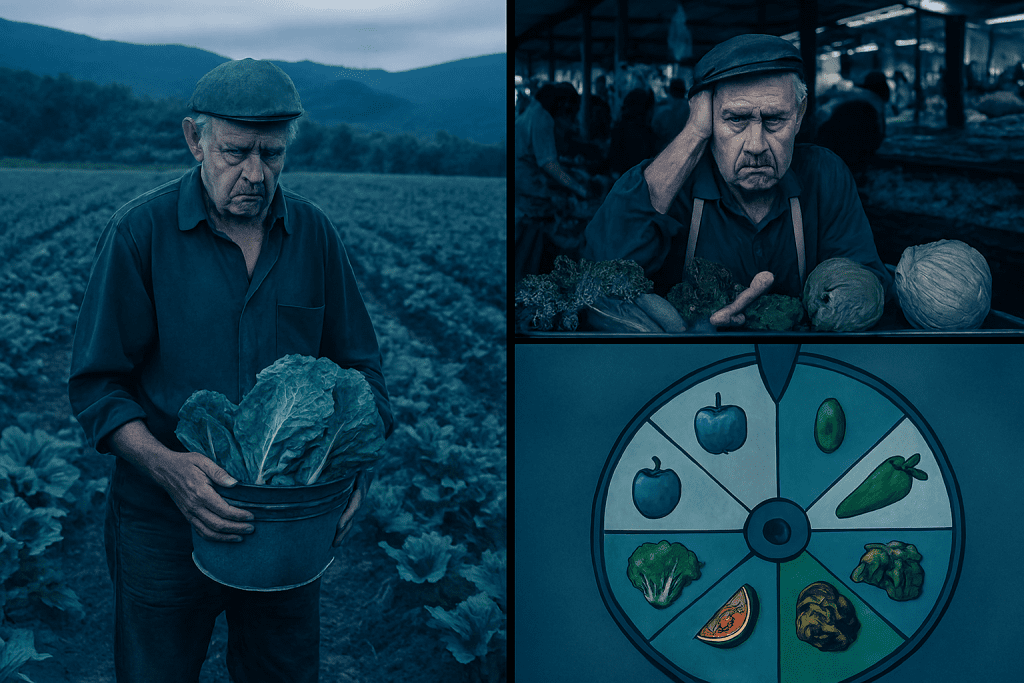
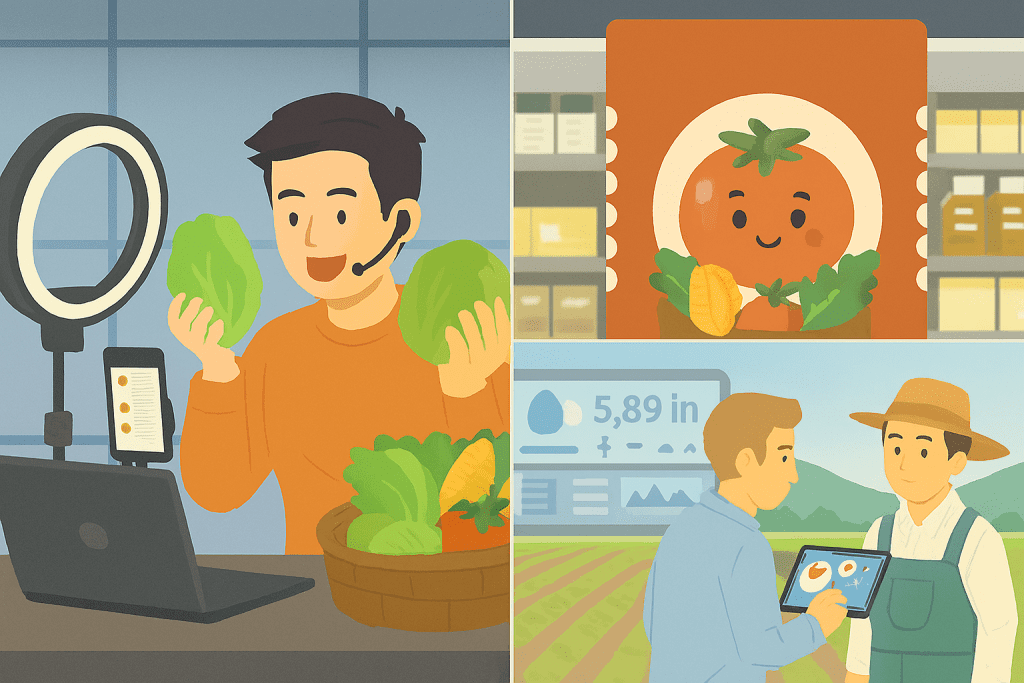
佳作-你「農」我「農」:台灣當前傳統農業困境與未來藍圖
中正大學 張丞佑
指導老師:中正大學 許惠慈老師
作品英文描述
In Taiwan’s traditional agriculture, farming has long relied on labor-intensive methods, and the familiar sight of farmers bending over their fields has shaped rural life for generations. However, as the younger generation shows declining interest in agricultural work and continues moving to cities in search of broader opportunities, the countryside is left supported mostly by aging laborers, widening the rural–urban gap and gradually draining community vitality. Meanwhile, sales channels for agricultural goods still revolve largely around traditional markets which, though rich in cultural meaning, expose the limitations of outdated marketing approaches. In an era defined by globalization, e-commerce, and rapid digital growth, rural areas relying on a single, conservative selling method struggle to reach urban consumers who might otherwise appreciate high-quality local produce. Inconsistent product quality further complicates growth, as the absence of comprehensive quality control leads to crops that vary in taste or appearance due to differences in soil, climate, or cultivation methods, turning each purchase into a “lottery” that weakens consumer trust. In response to these challenges, modern agriculture is increasingly adopting innovative strategies to attract younger generations, using digital marketing to infuse new energy into farming and transforming rural areas into dynamic environments where technology, branding, and creativity reshape the agricultural landscape. Recognizable product identities, appealing mascots, and consistent visual styles help deepen consumer impressions. Scientific cultivation, supported by environmental data analysis, organic practices, and strict standards, ensures stable quality and strengthens confidence, offering renewed hope for the sustainable revitalization of Taiwan’s agriculture.
創作動機
Having spent the majority of my life living in urban-style amenities, attending a university located in a rural area presented me with challenges that were both unique and exciting. For one thing, there was a distinct difference between the communities in an urban environment compared to those in a rural area. For example, when I was at the field site, I can remember seeing all the agricultural work being done by the elders. At that moment, I began to understand that the information I had read about in the textbooks was not just “data”; it really does reflect the real-life experiences of people. After looking into further, I learned that several interconnected factors, such as an aging rural demographic, a lack of economic opportunities, the continuation of ancient farming methods, and the limited availability of modern agriculture technologies, contribute to the growing differences between urban-rural communities; as a result, this has led to the progressive decline in the quality of life in these communities, discouraging future generations from coming back to or participating in rural life. This discovery led me to produce these two postcards as a means of raising awareness and motivating action on this important issue. By visually communicating the challenges faced by agricultural labourers in rural communities, I hope that these postcards will prompt members of the public to consider and support the causes that need to be addressed to revitalise the rural way of life, to reduce rural–urban inequality, and to promote sustainable agricultural development.
心得與反思
Spending time in a rural university really give me another view to see the world differently. What I really appreciated about coming to a rural school was how important the urban–rural gap was. The prospect of seeing seniors working their fields and young people moving to cities highlighted the challenges of keeping rural communities healthy. I tried to imagine how traditional practices, limited economic opportunities, and access to modern technology complicate these disparities. I appreciated the need for innovative solutions, like digital marketing, branding, and scientific cultivation, to revitalize agriculture and attract younger generations. I also reminded myself that awareness alone is not sufficient; the action and action that is needed to sustain sustainable rural development and connect urban to rural life are necessary for maintaining sustainable rural development, bridging the gap between urban and rural life.